


Maslenitsa: The Other Mardi Gras
Updated: Mar 15
Beads are flying through the air in New Orleans, brass bands are shaking the streets, and people in glittery masks are dancing late into the night for Mardi Gras. In Venice, Carnival looks like a masked ball with party-goers wandering the historic plazas and canals dressed in Renaissance fashion. In Eastern European regions, people celebrate Maslenitsa, a week-long Slavic festival full of winter activities, gastronomic delights, and traditions that unite families and communities.
Three different traditions, one big motivation: indulge in a last round of merriment before the start of the solemn Lenten season.
Maslenitsa: Snow Fest and Blini

Maslenitsa is one of the oldest and brightest Slavic festivals. Maybe not as well-known as Mardi Gras or as mysterious as Carnival, Maslenitsa claims to be the oldest surviving Slavic holiday, perhaps dating back to the 2nd century. The name itself combines the word “maslo”, which means butter in Russian, with the tradition of baking pancakes. Thin golden blini are served hot off the griddle, brushed with butter and eaten with any combination of smoked salmon, caviar, herring, sour cream, chopped egg, chopped green onion, pickled onion and of course, more butter. Families compete over who makes the most flavorful blini and pride themselves on secret family recipes that have passed down through generations. Their round, golden shape symbolizes the sun, making them not just delicious, but a little celestial too—welcoming warmth back after the dark, cold winter.

In the past, Maslenitsa was celebrated for a whole week with games and merrymaking for people of all ages. Townsfolk took time off work and spent the days outdoors ice skating and sledding. Children built ice hills for racing and engaged in snowball fights. Men participated in strength contests like fist fighting, tug-of-war or “capture the snow town.” Young women and men looked for mates during sleigh rides, in the hopes of finding someone suitable to marry come spring.

Maslenitsa was considered a time for strengthening familial relationships. Sons-in-law were expected to visit their mothers-in-law, who prepared blini and invited guests for a feast. Sons-in-law would reciprocate with a hand-delivered invitation and by sending “ambassadors” to her in the morning. The bigger the delegation, the greater the honor bestowed to the mother-in-law. Similarly, young wives would host sisters-in-law to win their favor and earn approval from their new family.
The celebrations would end on a contemplative note, with friends, family and neighbors asking each other for forgiveness before the Lenten season.
Mardi Gras: King Cake & Jazz in the Streets

If Maslenitsa is cozy and folksy, Mardi Gras in New Orleans is wild and glittering. The term Mardi Gras is French for "Fat Tuesday," the last day of feasting and indulgence to use up rich ingredients like butter and eggs before the Lenten fast. The King Cake is a good example, a colorful, sugary pastry with a tiny baby figurine hidden inside, is the most famous treat. If you get the slice with the baby, you are hosting the next party. Savory Creole and Cajun dishes like gumbo, jambalaya, and red beans and rice are traditional savory dishes, as well as sweet treats like beignets.
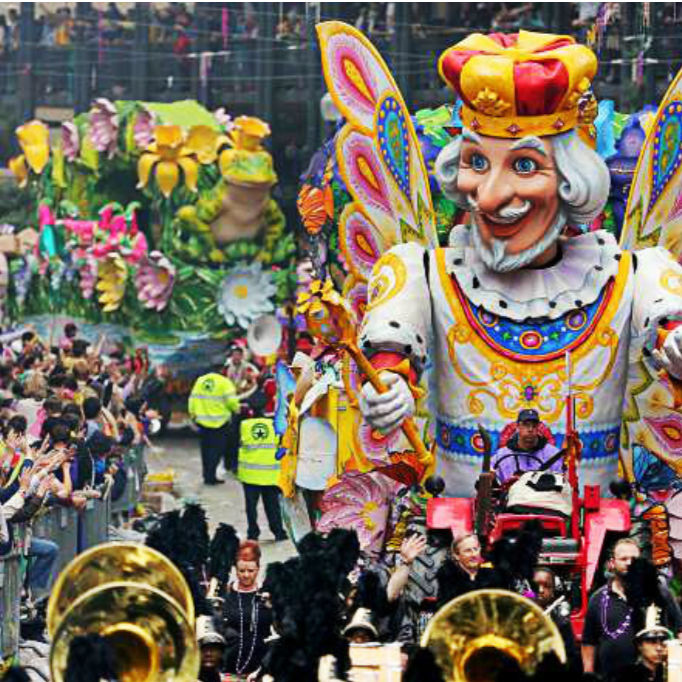
Sparkly floats roll through the city on parade, beads and trinkets are tossed to the audience, jazz bands fill the air, and masked balls go late into the night. Costumes range from funny to jaw-droppingly extravagant. It’s indulgence with a beat, where the streets themselves become the dance floor.
Venice: A Carnival on the Water

Welcome to the season of Carnival, when Venice takes on an elaborate 17th-century flair, with partygoers wearing elaborate costumes and masks, attending public parades and street performances, and participating in private masquerade balls.

The carnival officially kicks off with the “flight of the angel,” when a young woman descends on a suspended rope from the bell tower of St. Mark's. Piazza San Marco becomes a stage for parades, street theater, and live music. Participants compete for the most beautiful and original costumes and masks, while parades of gondolas glide by on the Grand Canal, decorated with festive floats.

But there’s a lot more to carnival time than intricate costumes and elaborate floats. Similar to Mardi Gras, the main reason for the original celebration was the need to consume food that would become off-limits during the Lenten fast. The word carnival comes from the Latin phrase to put away meat, or carne levare. Sugar and butter were also forbidden culinary staples, so many recipes of traditional Italian sweets, typically a fritter dusted in sugar, like fried fritelle and crispy chiacchiere, originated with Carnival.
Two weeks of festivities against the backdrop of Venice's historic canals and piazzas come to an end on Shrove Tuesday.
One Spirit, Many Flavors
Whether you’re frying up blini in a snowy Slavic village, eating King Cake on Bourbon Street, or savoring fritelle on a Venetian street corner, the heart of these festivals is the same: celebrate life with family and community, eat well, and enjoy one last taste of excess before a season of restraint.

And if you’d like to experience some of this magic for yourself, you don’t have to head to New Orleans or Venice. The San Francisco Slavic Festival is coming up January 31–February 1, and it’s the perfect chance to immerse yourself in Slavic culture right here at home. Expect folk music, colorful costumes, lively dances, and yes—piping hot blini with all the traditional toppings.
So mark your calendar, bring your appetite, and get ready to say goodbye to winter the Slavic way.
Stay informed about the next Slavic Festival and sign up for our newsletter.

